Why families move in winter
Most families imagine an international relocation happening in the summer. The weather is pleasant, kids are out of school, and the idea of moving feels less stressful. Yet in reality, many Americans find themselves relocating to the UK in the middle of winter, often by necessity rather than choice.
For many, the primary reason is work. Employers set start dates according to business needs, not the calendar. Global companies in technology, finance, and healthcare often transfer employees in January or February, right after year-end planning. Families with little flexibility on timing discover that moving in winter isn’t optional, it’s part of the opportunity.
School calendars also influence timing. In the UK, schools reopen after the Christmas break in early January. For families with children, starting mid-year can sometimes be less disruptive than waiting until the fall. Children are placed into existing classes, and while the adjustment can feel abrupt, many settle more quickly when they don’t have to compete with large groups of new students all starting at once.
There are also hidden advantages. Moving in winter often means greater availability of shipping schedules and flights. During the summer, ports are busier, movers are stretched thin, and families can struggle to lock in preferred timelines. Winter relocations, though more challenging weather-wise, can provide more flexibility and sometimes even smoother logistics.
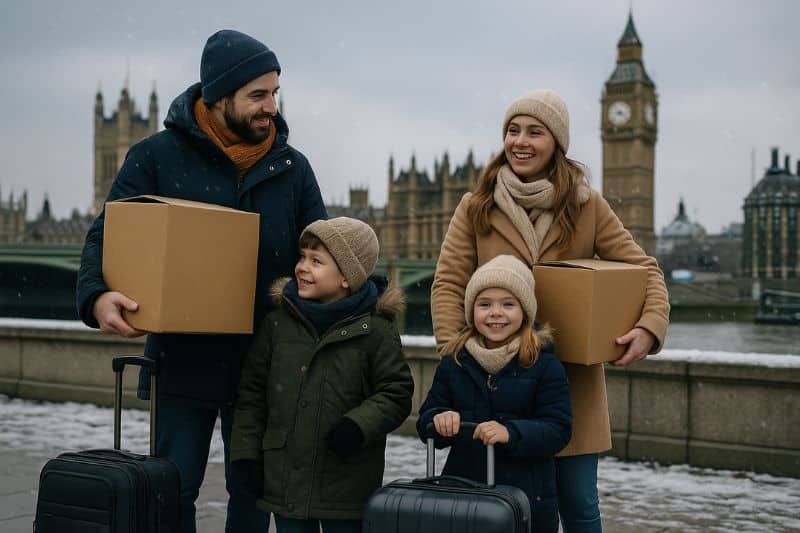
Take the Anderson family from Denver as an example. When Marcus accepted a new role in London beginning January 10, they worried about the impact of a winter move. Packing during the holidays, saying goodbyes in snow, and landing in a cold, unfamiliar country felt overwhelming. But what surprised them was how smoothly the process went: movers were available, shipping was scheduled without delays, and housing options were more plentiful because competition was lower in January. By the time spring arrived, they were already settled, while many of their colleagues relocating in summer were still navigating logistics.
The truth is, no season is perfect for a move. But families who relocate in winter often find the timing less disruptive than expected, and sometimes even beneficial.
Weather challenges to expect
If there’s one thing families relocating in winter need to prepare for, it’s the weather. Both in the U.S. and the UK, the season can add unpredictability that affects every stage of the move.
In the U.S., winter storms can delay moving trucks, close airports, or slow shipments at East Coast ports. Families leaving snowy states like Minnesota or New York are familiar with these challenges, but even those from warmer climates can encounter seasonal disruptions. For instance, a family departing from California might not expect January storms to delay flights, yet they can still face weather-related cancellations on international routes.
Arriving in the UK introduces its own adjustments. Winters are damp, grey, and often colder than Americans expect, particularly in Scotland and northern England. Southern regions like London, Oxford, or Bristol are milder, but families relocating from Florida or Texas still find the shift dramatic. The shorter days, sometimes as little as seven hours of daylight in December, can be just as challenging as the cold itself.
These conditions can also impact shipping. Sea freight containers may face delays crossing the Atlantic if storms interfere with schedules. Air freight is less likely to be delayed long term, but even flights can be disrupted by snow or ice. This is where preparation makes the difference. Having complete UK customs forms ensures shipments can move forward quickly once they arrive, minimizing the stress of weather-related slowdowns.
Families also need to think about personal comfort. Essentials like coats, boots, gloves, and rain gear should travel with you—not in a container that may take weeks to arrive. Parents moving with children often pack a “winter survival kit” in their carry-on luggage: warm clothing, favorite blankets, and small comforts that make those first damp days in the UK easier. Pets, too, need consideration, from insulated airline crates to adjusting routines in colder weather.
Consider the Patel family from Miami. When they relocated to Manchester in January, they underestimated the impact of the weather. Used to sunshine and warm breezes, their children were shocked by the damp chill. But having packed coats and boots in their carry-on made the arrival bearable. Within weeks, the family began to embrace the cozy aspects of UK winter, visiting indoor markets, enjoying hot chocolate at local cafés, and learning to appreciate rainy-day walks.
The weather will always bring challenges, but with preparation and the right mindset, families discover that a winter move can also create memories that last a lifetime.
Shipping timelines in winter
When families think about moving overseas, they often imagine smooth shipping schedules and predictable arrival dates. Winter, however, adds layers of unpredictability that can affect both sea and air freight. With careful planning and the right moving partner, these challenges can be managed so families don’t feel caught off guard.
Sea freight in the winter months
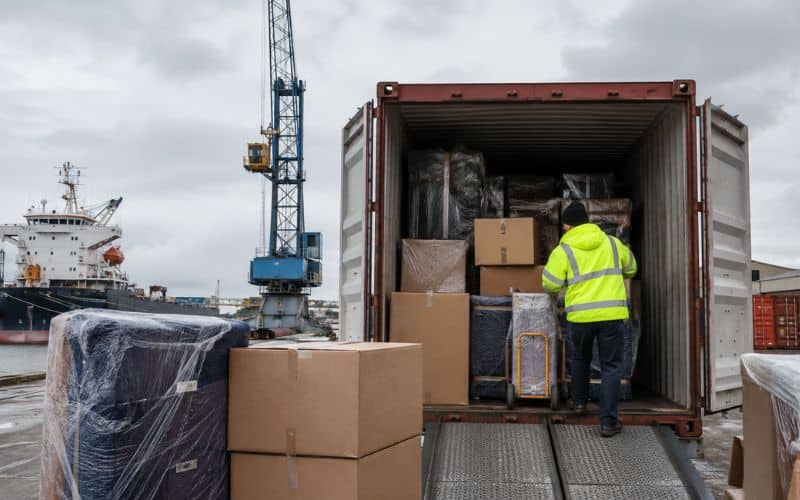
For most families, sea freight remains the most practical choice for moving a full household. Containers are loaded at U.S. ports, carried across the Atlantic, and unloaded at major UK entry points such as Southampton or London Gateway. During winter, however, Atlantic storms can affect schedules. Ships may reroute to avoid severe weather, adding a few extra days to the journey. At U.S. ports, snow or ice can occasionally slow down loading and unloading.
While this may sound worrying, experienced movers account for these seasonal factors. At SDC, we help families build realistic expectations by offering clear timelines and updates along the way. Knowing that a delay is possible doesn’t mean it will happen, but preparing for it ensures families aren’t surprised if it does. Professional sea freight services also include measures to protect belongings from the damp, cold journey, ensuring items arrive in good condition even if the trip takes a little longer.
Air freight when timing is critical
For families on a tight schedule, or those who simply don’t want to wait for certain belongings, air freight is the faster alternative. Winter weather has less impact on flights than on shipping routes, though storms can still cause short delays. Families often choose to send essentials this way: children’s winter clothing, business equipment needed immediately, or sentimental items they want on hand as soon as they arrive.
The Nguyen family from Seattle used this strategy during their January move. They sent most of their household by sea but opted for air freight for their children’s jackets, boots, and school supplies. The sea freight took several weeks, but the air shipment meant the kids were ready for their first day at a new school without waiting.
Why insurance matters more in winter
Insurance becomes even more important during winter moves. Storms, icy conditions, and unexpected rerouting increase the potential for delays or minor damage. With coverage in place, families know they won’t face financial setbacks if something goes wrong. It shifts the worry from “what if” to “we’re covered.”
The Lopez family from Chicago experienced this when their container was delayed due to heavy storms in the Atlantic. While their belongings arrived safely, the delay caused stress. Having insurance reassured them that even in the worst-case scenario, their family wouldn’t face a major financial loss.
Winter shipping isn’t about avoiding risk altogether, it’s about planning for it, protecting against it, and trusting a team with experience navigating seasonal challenges.
Packing tips for a winter move
Packing is always at the heart of a successful international move, but in winter, it becomes even more critical. Cold, damp weather can damage belongings if they aren’t prepared properly, and the stress of a long journey adds extra strain. Families who take packing seriously, or trust professionals to do it for them, find their items arrive in much better shape.
Protecting fragile and sensitive items
Electronics are particularly vulnerable to condensation. Without proper wrapping, they can short-circuit or corrode when exposed to damp air. Artwork and musical instruments are also sensitive to humidity changes, while wooden furniture can warp or crack. Professional movers know how to crate these items, using protective materials designed for long transits in variable climates.
Clothing, fabrics, and everyday items
Families often underestimate how easily moisture affects clothing, linens, and soft furnishings. A box of winter coats packed incorrectly can arrive musty or moldy. Using moisture-resistant wraps, vacuum-sealed bags, and silica gel packs prevents this. It’s the kind of detail that makes a big difference when unpacking in your new home.
The value of professional packing services
Some families prefer to pack themselves to save costs, but winter highlights the risks of that choice. Professional packing services use climate-appropriate materials, sturdy boxes, and proven techniques to protect belongings from damp, cold, and shocks during transit. It’s not just about convenience, it’s about reducing the risk of damage that could outweigh any savings from doing it alone.
Take the Miller family from Boston. They were relocating with a baby grand piano, antique furniture, and several oil paintings. For their January move, they opted for professional packing. Movers used padded crates, moisture-resistant materials, and careful handling. When their shipment arrived in Oxford weeks later, everything was intact. The Millers later admitted that had they tried to pack themselves, they would have worried every day until delivery.
Packing for arrival, not just departure
Families also need to think about what to keep with them. Winter jackets, hats, gloves, and sturdy shoes should never go into sea freight containers if they’ll be needed immediately. Families who pack a small “arrival kit” in their luggage, warm clothing, basic toiletries, children’s comfort items, find the first weeks in the UK far easier.
Packing isn’t just about getting things on the ship, it’s about making sure your family feels at home from day one, no matter what the winter weather brings.
Settling into UK life in winter
Arriving in the UK during the winter months can feel like a shock at first. The days are short, the skies are often grey, and the damp chill can be very different from the climates many American families are used to. Yet with preparation and the right mindset, winter can also be a surprisingly rewarding season to begin your new life.
Adjusting to shorter days
In December and January, daylight can last less than eight hours in parts of the UK. Families moving from sunnier states like California or Florida often find this the hardest adjustment. Creating routines that prioritize natural light, such as family walks during midday, can help children adapt more smoothly.
Making your home cozy
British culture embraces the concept of making homes warm and inviting during winter. Families quickly learn the value of a good kettle, thick curtains, and central heating. Stocking up on blankets, lamps, and warm meals creates comfort during darker months and helps children feel secure.
Embracing local traditions
Winter also offers opportunities to immerse in UK culture. Christmas markets fill city centers with lights, crafts, and festive food. Sunday roasts in pubs, fireworks on New Year’s Eve, and Burns Night in Scotland are traditions that help families feel part of their new community. By engaging in these experiences, expats turn a potentially gloomy season into one filled with discovery.
The Davis family from Atlanta admitted they were nervous about arriving in London in January. But they soon found joy in exploring Christmas lights, cozy cafés, and snowy countryside walks. For them, winter became a season of bonding and discovery.
Budgeting and planning for seasonal moves
While the costs of international moving don’t change much between summer and winter, the planning process does. Families relocating during colder months must budget time and resources differently.
Flexibility in timing
Winter weather creates more potential for delays. Flights may be rescheduled, shipments slowed, and customs offices may experience backlogs after holiday closures. Families who build extra time into their move-in plans avoid unnecessary stress.
Housing and accommodations
One benefit of winter moves is that housing demand is often lower. Families arriving in January may find more rental options available than during peak summer months, when students and tourists crowd the market. This can translate to better choices for temporary accommodations or long-term rentals.
The role of insurance
Insurance takes on added importance in winter months. Storms on the Atlantic or sudden freezes can affect shipping schedules and occasionally cargo itself. Choosing UK moving insurance protects families from unexpected costs and ensures peace of mind when conditions are less predictable.
The Robinson family from Minneapolis experienced this firsthand. Their shipment was delayed by a snowstorm en route to the UK. Thanks to insurance and careful planning, the delay was only a minor inconvenience rather than a financial setback.
Winter relocations may require more patience and flexibility, but they also offer advantages in housing availability and scheduling. With the right plan, the season can work in your favor rather than against you.
How SDC supports families moving in winter
Relocating internationally is complex at the best of times, but winter brings unique challenges. Families often worry about weather delays, damp affecting their belongings, or how children will adjust to shorter days and colder temperatures. That’s why having an experienced partner makes all the difference.
At SDC International Shipping, we guide families through every step of their winter relocation. From the first consultation, we help you build a realistic timeline that accounts for seasonal conditions. Our team knows which ports and routes are more prone to delays and plans accordingly, keeping you updated throughout the process.
Winter-ready packing and shipping
We take special care to protect your belongings against damp and cold. From climate-sensitive materials to reinforced crating for fragile items, our packing process is designed to give you peace of mind. Whether you’re shipping by sea or need urgent air freight, we make sure your goods are secure.
Customs and paperwork support
Winter can bring extra backlogs at customs offices following the holiday season. With our help preparing complete customs forms, your shipment clears smoothly, avoiding unnecessary delays.
A steady partner in unpredictable times
What families appreciate most is knowing they’re not alone in the process. Even if a storm causes a short delay or a shipment arrives later than expected, we’re there to explain, support, and coordinate next steps. Families moving with us often say that what could have been a stressful disruption became a manageable inconvenience.
The Johnson family from Chicago, who relocated to Edinburgh in February, put it best: “We expected chaos, but what we found was calm. Every challenge that came up had already been anticipated, and SDC had a solution ready. It made the entire experience far less stressful.”
Winter relocations may never feel as easy as moving on a sunny summer day, but with SDC, families discover that the season doesn’t have to stand in the way of a smooth transition. We handle the details so you can focus on building your new life in the UK, even if it begins under grey skies and falling snow.
Explore our international movers to the UK overview or call 888-909-3020 to begin planning your family’s relocation.