SDC International Shipping is a licensed FMC moving company specializing in relocations from the USA to the UK. If you’re planning a move to the UK and wondering what to do with your electronics, you’re not alone. Voltage differences, plug incompatibilities, customs requirements, and the risk of damage in transit make electronics one of the trickiest categories to manage in any international move. This guide covers everything you need to know, from checking compatibility before you pack to getting everything set up and working in your new UK home.
Understanding UK Voltage, Plugs, and Compatibility
One of the most common — and costly — mistakes people make when relocating electronics internationally is overlooking the differences in electrical systems. The United Kingdom operates on a 230-volt supply at 50 hertz, compared to the United States’ 120-volt supply at 60 hertz. That means many American electronics, if plugged directly into a UK socket without an adapter or transformer, will not work correctly and may even suffer irreversible damage.
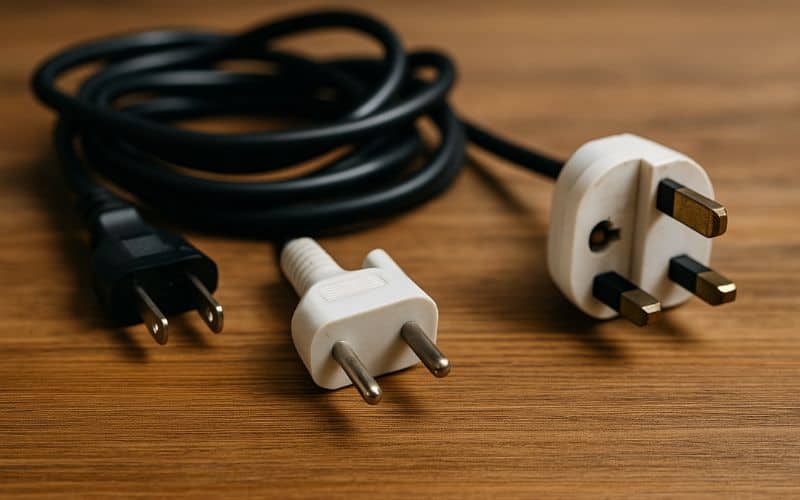
The UK uses Type G plugs, featuring three rectangular prongs in a triangular pattern. Unlike the slim two-prong US plugs, these are bulkier and contain a built-in fuse. Every electronic device you bring will need either a UK-compatible plug or a reliable plug adapter. While adapters make the plug fit, they don’t alter voltage, so you may still require a voltage converter for certain appliances.
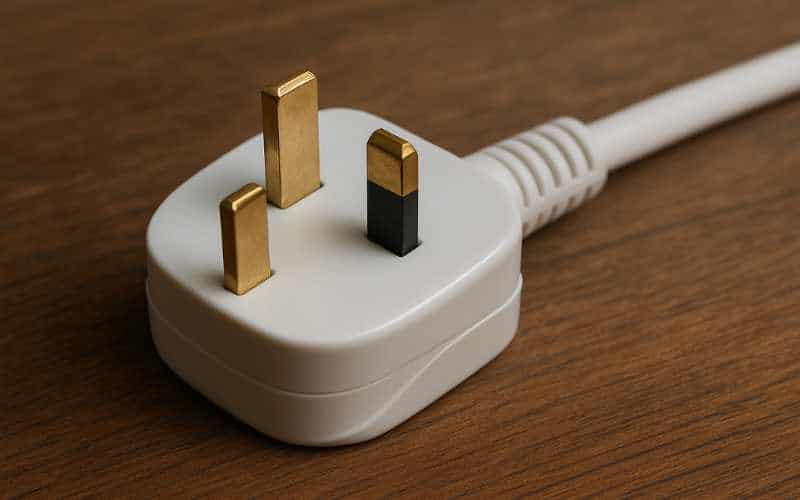
For many modern devices, especially laptops, tablets, and smartphones, the voltage difference is not an issue because the chargers are dual voltage and can automatically adjust to both 110–120V and 220–240V. You can check the device’s power brick or manual — if it says “Input: 100-240V, 50/60Hz,” you won’t need a transformer, only an adapter.
However, larger electronics such as televisions, stereos, kitchen appliances, or game consoles often do not have this built-in flexibility. For these, the choice becomes more complicated: either invest in a high-quality step-down transformer in the UK or purchase UK-compatible replacements after you arrive. Voltage converters can be expensive, heavy, and less energy-efficient.
Before packing, create a complete inventory of your electronics and check their voltage compatibility. This will help you decide which items are worth bringing and which ones are better to replace upon arrival. You can discuss these details with your relocation specialist at our UK moving services team, who can guide you through the decision-making process and help you avoid costly mistakes.
Deciding What to Bring vs. Replace in the UK
The decision to bring or replace electronics during an international move isn’t just about voltage compatibility — it’s also about cost-effectiveness, convenience, and functionality in your new home.
Begin by assessing the value of each device against the expense and effort of shipping it. High-value, portable devices like laptops, cameras, tablets, and smartphones almost always make the cut. They’re compact, lightweight, and often dual voltage. For larger electronics such as TVs, desktop computers, sound systems, or kitchen appliances, the equation is different. Shipping costs increase with size and weight, and once you factor in the potential need for voltage converters or adapters, replacing them locally may be the better option.
You should also consider UK-specific compatibility for certain electronics. Televisions operate on different broadcast standards in the UK, and streaming services may have different regional restrictions. Home internet routers from the US may not work with UK service providers, so replacing them on arrival can be simpler.
Another consideration is warranty coverage. Many US electronics warranties do not apply internationally. If your item is expensive but nearing the end of its warranty, it might not be worth the cost and risk of transporting it overseas.
It’s equally important to evaluate your shipping method. If you’re booking a full container load with your household goods, the marginal cost of adding a few more items may be minimal. On the other hand, if your shipment space is tight, prioritizing essentials will save you money and packing headaches.
Finally, think about your transition period. If there will be a gap between your arrival and the delivery of your container, it might be easier to travel with only your most essential electronics and purchase or rent others locally for immediate use. Storage services can also help bridge the gap if you’re not ready to receive all your goods at once.
By weighing these factors carefully, you can avoid overpacking your shipment with electronics you won’t actually use, while ensuring the devices you do bring will integrate smoothly into your new UK lifestyle.
Packing Electronics for Safe Transit
When shipping electronics internationally, protecting them from physical damage, moisture, and static electricity is essential. Even a short jolt during loading or a change in humidity during ocean transit can cause costly repairs or permanent loss of function. The first step is to gather high-quality packing materials. Whenever possible, use the original boxes and foam inserts that came with the device, as they’re designed for a precise fit. If you no longer have them, invest in sturdy, double-walled cartons, anti-static bubble wrap, and foam padding to absorb shocks.
Wrap each device carefully, making sure screens and fragile components are well protected. Laptops and tablets should be wrapped in anti-static bags before being cushioned, while televisions and monitors benefit from corner protectors to prevent cracks or chips. Small, loose components like remote controls, cables, chargers, or batteries should be bagged and labeled clearly, then packed with the device they belong to.
Moisture is another hidden threat during long ocean shipments. Using silica gel packs inside cartons can help absorb humidity and reduce the risk of condensation. For high-value electronics, consider having them crated professionally, especially if they will be traveling in a container with other household goods.
Label each box with its contents and the destination room in your UK home. This not only makes unpacking easier but also helps your movers handle each carton with the proper level of care. You should also create a detailed inventory of every electronic item you’re shipping, complete with serial numbers, so that you have documentation for customs clearance, warranty claims, or insurance purposes.
Electronics are among the most valuable and vulnerable items in an international move. It’s wise to review your UK moving insurance options to make sure your devices are covered for both physical damage and loss. Many standard policies require proof of professional packing to honor claims, so if you’re unsure about your packing skills, outsourcing to experienced professionals gives you both peace of mind and a higher level of protection.
Understanding UK Customs Requirements for Electronics
Bringing electronics into the UK as part of your household goods shipment requires careful attention to customs regulations. Most personal-use electronics can enter without duty under the UK’s Transfer of Residence (ToR) relief program, provided you meet the eligibility requirements and submit your application in advance. This means your devices must have been owned and used for at least six months before your move, and you must intend to use them in your new UK residence.
When filling out your ToR application, you’ll need to include a detailed list of each electronic item, along with descriptions and serial numbers. If your shipment contains high-value devices like professional-grade audio equipment, large-screen TVs, or custom-built computers, it’s wise to include invoices or proof of ownership to avoid delays at customs.
One common myth is that all electronics are automatically subject to import tax. In reality, if you have ToR approval and your items qualify, you will not have to pay UK VAT or customs duties on them. However, if the items are new, still in their packaging, or clearly purchased right before shipping, customs may flag them as taxable imports. This is why it’s best to avoid buying new electronics immediately before your move, unless you’re prepared to pay the applicable duties.
Another consideration is compliance with UK electrical standards. The UK operates on a 230V system with Type G plugs, so while customs may not stop your shipment for voltage differences, you will need to plan for adapters, transformers, or even replacing certain devices if they aren’t compatible. It’s a good idea to discuss this as part of your UK move preparations before packing, as planning ahead helps identify which items are worth shipping and which might be better to replace once you arrive.
Finally, make sure your moving company’s paperwork matches your ToR submission exactly. Even small discrepancies between your inventory list and customs declaration can lead to delays, inspections, or additional fees. At SDC International Shipping, our team reviews every document line by line to ensure your shipment clears without unnecessary complications.
Setting Up Electronics in Your New UK Home
Once your shipment arrives and clears customs, the final step is to get your electronics set up and working in your new home. The first task is to inspect each device for any visible damage during the unpacking process. If you find anything concerning, document it with photos immediately and contact your moving coordinator so they can assist with an insurance claim if necessary.
Next, address the power compatibility issue. Many modern electronics such as laptops, smartphones, and tablets come with universal power adapters that work on both US and UK voltage systems. These will only require a simple plug adapter to fit UK outlets. Larger appliances, older devices, or specialized equipment may require a step-down transformer to safely operate on UK power. It’s important not to plug anything in until you’re certain it’s compatible, as voltage mismatches can cause irreparable damage in seconds.
Internet and television services in the UK may differ from what you’re used to in the US. You may need to configure smart TVs and streaming devices to work with UK-based services. Some streaming platforms will adjust automatically based on your IP address, while others may require you to change region settings in the device menu.
If you shipped items like printers, home security systems, or network equipment, remember to reconnect them according to the manufacturer’s instructions, making sure to update any firmware or software to comply with local standards. In some cases, particularly with security systems, you may need professional installation or a service call to ensure compliance with UK regulations.
The first weeks in your new home are the perfect time to test every device, create a new inventory for your UK-based possessions, and safely store all warranties, manuals, and accessories in one location. This preparation ensures that your electronics are not just delivered, but fully functional and ready to be part of your daily life from day one.
If you’d like assistance with unpacking, setup, or safe disposal of packing materials, our packing services team can coordinate a white-glove delivery experience, giving you one less thing to worry about during your relocation.